Author: Patrick Scriven

Why Hispanic/Latinx Ministry in the UMC struggles—and how faith can respond to fear and division

Hispanic/Latinx communities in the United States are growing rapidly, yet their ministries within The United Methodist Church remain underfunded and undervalued, writes Rev. Cruz Edwin Santos. In a climate of fear, discrimination, and political hostility, these congregations are emerging as sanctuaries of hope—organizing, leading, and offering prophetic witness. Decolonizing ministry means moving from charity to partnership, from the margins to the center, and affirming Hispanic/Latinx voices as vital to the church’s future. Santos also shares resources for churches to celebrate Hispanic/Latinx Heritage Month.

Continue reading

A New Day

A New Day

SeaTac Superintendency Team Sub-District assignments announced

At this year’s Annual Conference, SeaTac laity and clergy gathered on Saturday morning to both bid farewell to Rev. Derek Nakano and welcome our three new superintendents: Revs. Shalom Agtarap, Ferdie Llenado, and Elizabeth Ingram Schindler.

Because we are pioneering a new structure of superintendency, the team shared what we know so far. The SeaTac Superintendency Committee (a group that supports the superintendents in their work) invited attendees to write down questions for the new superintendents. We are gathering all the questions that have come in and will be sending those out with answers in a future email.

Finally, the new superintendents shared the list of churches that will be in each of their primary sub-district. There will be some cross-district connection as far as which superintendent will be the primary. Churches and pastors should connect with their primary superintendent first about any questions or concerns. Those sub-districts are listed below.

Thank you for journeying with the SeaTac Superintendent team as they enter this new structure of connectionalism. They are looking forward to working with you!


SeaTac North Sub-District

Bellevue: Aldersgate
Bellevue: Hope
Mercer Island
Seattle: First
Seattle: Green Lake
Seattle: Magnolia
Seattle: Queen Anne
Seattle: Sand Point
Seattle: Trinity
Seattle: University Gathering
Seattle: Wallingford
Seattle: Woodland Park

from Puget Sound District:

Fall City
Kirkland: Lake Washington
Redmond
Sammamish: Faith
Snoqualmie

SeaTac Central Sub-District

Auburn: First
Burien: Highline
Covington: Cornerstone
Des Moines
Kent
Renton
Renton: Fairwood Community
Seattle: Acts on Stage
Seattle: Beacon
Seattle: Blaine Memorial
Seattle: Bryn Mawr
Seattle: El Dios Viviente
Seattle: First Tongan
Seattle: Grace
Seattle: Seaview and Tongan Fellowship
Seattle: Tibbetts
Seattle: Valley and Mountain
Tukwila: Riverton Park

SeaTac South Sub-District

Federal Way
Federal Way: Good Seed Korean
Tacoma: Browns Point
Tacoma: First
Tacoma: First Korean
Tacoma: Kalevaria
Tacoma: Mason
Tacoma: The Bridge
United Church University Place

from Crest to Coast District:

Lakewood
Orting
Puyallup
Puyallup: Light of the Hill
Spanaway
Sumner

Rev. Elizabeth Schindler
Superintendent
Email | 206.880.1226

Rev. Ferdie Llenado
Superintendent
Email

Rev. Shalom Agtarap
Superintendent
Email


Puget Sound District

While we retain the following churches within the geographical bounds of the SeaTac Missional District, their primary superintendent will now be DS Mark Galang.

Seattle Haller Lake
Shoreline
Shoreline: Ronald

Continue reading

A wicked problem – social media and connection

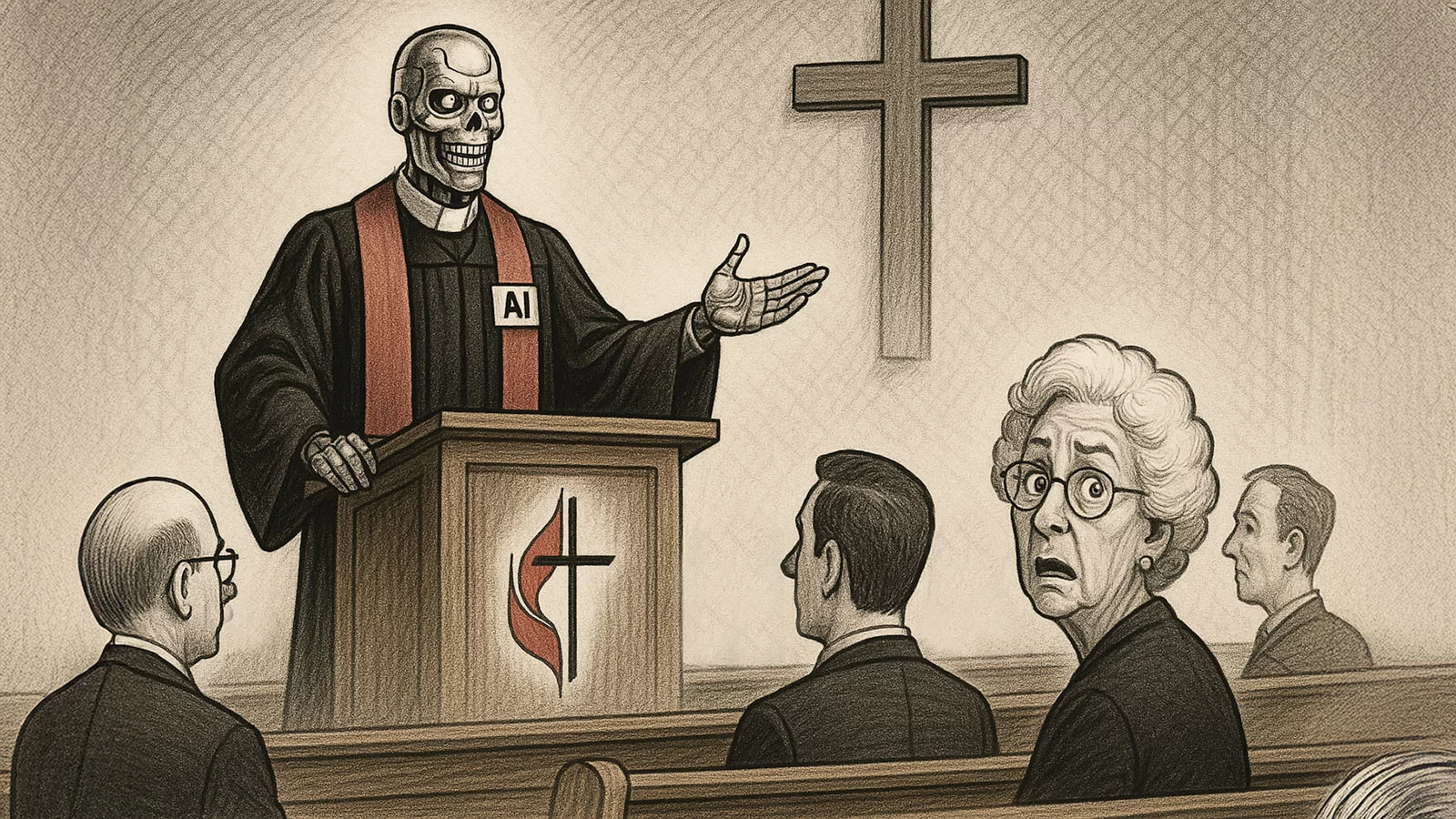
Should the church be on social media? This question has been rumbling around in my communicator brain for some time now. At what point is our presence on a platform complicity with the harm that occurs there?

Whether and how we engage in digital space may be one of those wicked problems where the solution is elusive and imperfect, generating new problems along the way. It’s a complex problem; let me focus on one aspect of social media valued by United Methodists – connection.

Ironically, while social media platforms provide a form of connection, their use often increases feelings of isolation. One way to understand this is by considering the nature of these connections.

People usually invest their resources (like time) disproportionately in things that matter to them. In the real world, these investments often lead to deep relationships nurtured over years, providing blessing and challenge, support and opportunities to grow. It can be painful when these relationships fail or end, yet we know the benefits most often outweigh the risks.

Social media platforms provide a way to cultivate relationships seemingly without a significant investment. Without leaving the comfort of our homes, we can connect with people like old friends or acquaintances from high school and new people who share a common interest. However, the time we invest in social media is often spread over many interactions, leaving these relationships thin or shallow.

If social media platforms were neutral in managing their users’ relationships, both forms of connection would be acceptable and good. The problem lies in how platforms use algorithms to manipulate our engagement, keeping us entertained and outraged for as long as possible to profit from the ads they constantly bombard us with.

The wicked problem today

In the political environment we find ourselves in, we can see the problem. At a time when we need spaces to engage in healthy conversation across divides, we find ourselves firing salvos at each other with only the thinnest of social connections holding us together. The situation is ripe for harm as we share our hot takes and opinions in ways most would rarely do in person.

In addition, these platforms have such a hold on us that we have less time to be present in spaces where deep and meaningful conversations across differences are more likely to occur and be sustained. According to one source, the average adult spends over four hours daily on social media platforms. This number varies by age, individual preferences, and even by study. Still, people are often surprised by how much time they spend when they track their usage.

Healthy communities of faith can provide spaces for impactful and necessary conversations today. Yet, we are competing with easy-to-use and addictive platforms for the precious commodity of time. While social media is far from the only thing competing with faith communities, it is one of the fastest growing and problematic.

Should we be on social media?

As I said at the start, our engagement with social media is a wicked problem. I’m not confident the solution is complete disengagement, but we should be wrestling with how we engage as communities and people of faith.

For individuals, the first step may be doing a personal audit. While apps are available to monitor your device usage, similar utilities are often built into modern mobile operating systems. Beyond time spent, consider and evaluate your connections with people online and in person. Do your interactions reflect how you wish to relate, and are they providing the connections you need to thrive?

For communities, are you on platforms that align with your values? And when that alignment isn’t perfect (life rarely is), is your presence still strategic toward reaching new people and supporting those who call your faith community home?

Well, that’s it for today. I promise to return to this topic again in the future. I would love to hear your thoughts to enrich my perspective for when I do.


Patrick Scriven serves as director of communications for the Pacific Northwest Annual Conference of The United Methodist Church.

A message to the PNW Conference from your Board of Ordained Ministry

A message to the PNW Conference from your Board of Ordained Ministry

Thursday, January 16, 2022

The PNW Board of Ordained Ministry takes seriously its role of identifying, nurturing and accompanying all who respond to God’s call to professional ministry. In 2016 our Board of Ordained Ministry adopted the following “Statement on Ministry Candidates, Sexual Orientation, and Gender Identity”:

We, the Board of Ordained Ministry of the Pacific Northwest Conference, hold our clergy and candidates to the highest standards of faithful and holy living. For some time, our practice has been to affirm that people of all sexual orientations and gender identities can live up to our high standards for fitness, readiness, and effectiveness in ministry. We will continue to give all candidates equal consideration, as we believe it is the most faithful way to do our work.

At this critical time in the history of The United Methodist Church, we believe it is important to state explicitly how we have been operating implicitly. We stand in solidarity with and fully support all of our colleagues and candidates in ministry who endeavor to transform our world through God’s grace.”

We have renewed our commitment to this statement several times since first adopting it, most recently at our 2022 Spring meeting. Since 2016 we have also developed Safe Harbor processes designed to aid clergy and candidates in other conferences who need a safe place to be in covenant community and live into God’s call to ministry.

As followers of Jesus and siblings who share this sacred commitment of supporting candidates for ministry, we grieve with all who are impacted by the recent vote of the Clergy Session of the Florida Annual Conference not to approve an entire slate of candidates for provisional membership because two of these candidates identify as LGBTQIA+. We grieve the harm done to these 16 candidates for commissioning but also the harm done to the many LGBTQIA+ persons inside the United Methodist Church and around the world. We grieve the harm done to the Body of Christ whenever people are marginalized, excluded, or devalued.

We plan to send a letter of support and solidarity to the 16 candidates impacted by the actions of the FLUMC Clergy Session and have reached to the Board of Ordained ministry of the Florida Annual Conference to send it to them. We have sent the following letter to the Board of Ordained Ministry of the Florida Annual Conference so share our grief, our support and our commitment to work together for better church.

By unanimous vote, the Greater Northwest Area’s Cabinet offered their affirmation and support of this letter and policy.

Dear BOM Colleagues of the Florida Annual Conference,

As members of the Board of Ordained Ministry in the Pacific Northwest, we write to you in love, in deep grief, and in solidarity. As boards of ordained ministry, we carry a sacred task to accompany and commend candidates along their path toward ordination. Thank you for your faithful commitment to this work. What transpired in the FLUMC clergy session horrifies us. In its callous and cynical rejection of your mindful work, the clergy session deeply harmed candidates who have shared their lives, calling, and their tenderest truths as they have sought to serve Jesus Christ through the United Methodist Church. It affects real life careers, but even more significantly, this harm is soul harm that will be carried for a lifetime.

We recognize the deep brokenness in our denomination, the hate that fuels anti-LGBTQIA+ rhetoric and actions, and the disingenuous behaviors of those who would see our denomination fail. We pledge to work for a better church, one that more closely aligns with the heart of grace we find and experience in Jesus Christ. We reach out to you and to your candidates to offer not only words of care and support; we offer our annual conference as a place of safe harbor for those candidates, should they choose such a pathway.

May God be with you in the days ahead as you work to bring healing to those harmed and as you continue the sacred work of identifying, nurturing and accompanying all who respond to God’s call to professional ministry.

As siblings in Christ and partners in ministry,

The Board of Ordained Ministry of the Pacific Northwest Annual Conference

Continue reading

Translate »